BounceMediaGroup.com Social Stats: A Helpful Guide to Online Performance
Social media statistics can reveal how a brand connects with its audience, attracts attention, and builds an online presence. People searching for BounceMediaGroup.com social stats often want to understand the company’s social media activity, audience growth, engagement, and overall digital performance.
However, follower counts alone do not explain how successful a brand is online. Engagement, content quality, website visits, and conversions also matter. It is equally important to distinguish between publicly visible information and statistics that have not been independently verified.
This article explains what BounceMediaGroup.com social stats refer to, which metrics matter most, and how readers can evaluate social media performance more accurately.
What Are BounceMediaGroup.com Social Stats?
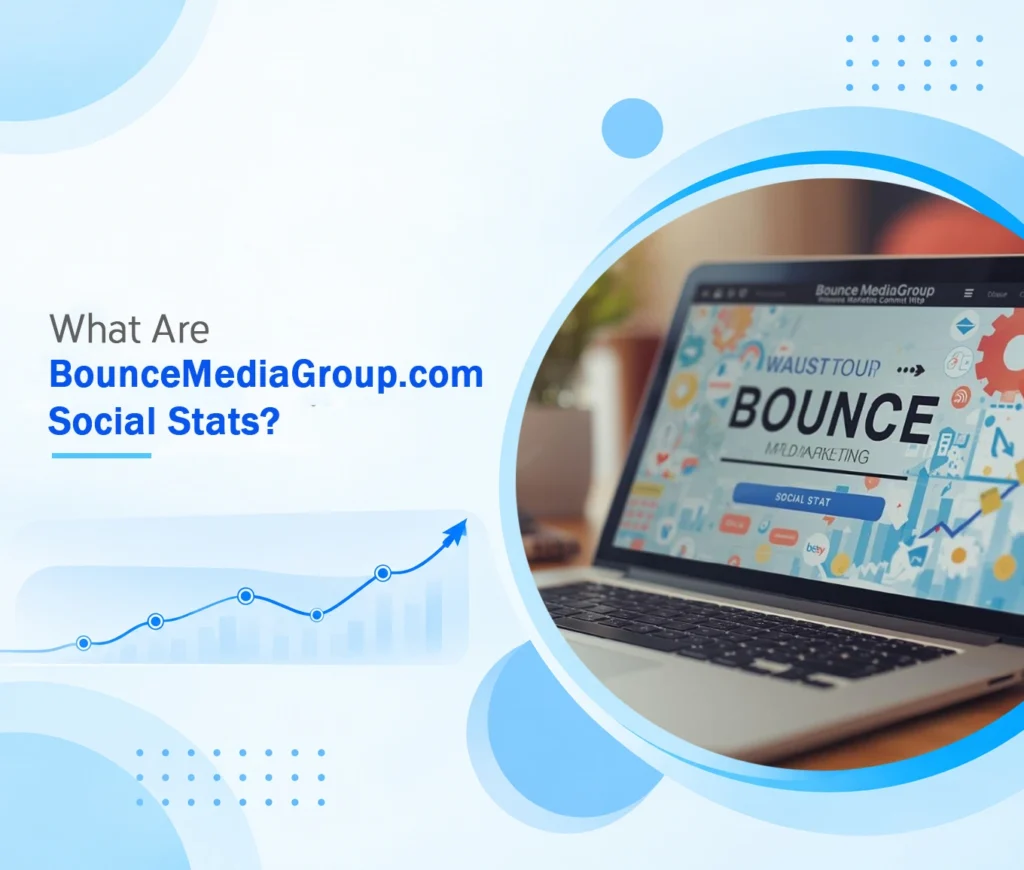
BounceMediaGroup.com social stats generally refers to information about the online social media presence associated with Bounce Media Group.
The phrase is commonly used when researching a brand’s digital visibility and performance across social platforms. It may include information about:
- Social media followers and audience size.
- Likes, comments, and shares.
- Post frequency and content formats.
- Audience growth over time.
- Website visits generated through social links.
- Engagement and campaign performance.
The website has published articles discussing audience statistics, platform activity, and social media growth. However, the figures mentioned in online reports should not automatically be treated as independently verified company analytics. <Cite refs={[“turn668076search0″,”turn668076search1″,”turn668076search3”]}/>
Why Are Social Media Statistics Important?
Social media statistics help businesses understand whether their content is reaching the intended audience and encouraging meaningful interactions.
Instead of relying on assumptions, marketers can use performance data to make better decisions.
1. Understanding Audience Growth
Follower growth shows whether a social media account is attracting new people over time.
A growing audience can indicate increased brand awareness, but it does not necessarily mean that every new follower is interested in the company’s services.
Businesses should examine audience quality alongside follower totals. Relevant followers who interact with content are generally more valuable than large numbers of inactive accounts.
2. Measuring Engagement
Engagement measures how people interact with published content.
Common interactions include:
- Likes and reactions.
- Comments and replies.
- Shares and reposts.
- Saves and bookmarks.
- Link clicks.
A post receiving many interactions may indicate that its topic, format, or message connects with the audience.
3. Evaluating Website Traffic
Social media can bring visitors to a company’s website through shared links, advertisements, and promotional campaigns.
Marketers should examine whether those visitors read articles, explore services, subscribe to newsletters, or complete other useful actions.
Google Analytics provides tools for understanding website traffic sources and visitor activity. Its official Analytics documentation explains how businesses can measure and interpret website performance.
Important Metrics to Understand in Social Stats
When reviewing BounceMediaGroup.com social stats or researching another brand, it helps to understand what each measurement actually represents.
| Metric | What It Measures | Why It Matters |
| Followers | People following an account | Shows audience size |
| Reach | Unique accounts that see content | Measures audience exposure |
| Impressions | Total content displays | Shows how often content appears |
| Engagement rate | Interactions relative to an audience or reach measure | Helps evaluate content response |
| Click-through rate | Clicks compared with impressions | Measures interest in links |
| Conversion rate | Desired actions compared with visits or clicks | Measures campaign effectiveness |
| Referral traffic | Website visits from social platforms | Shows how social content drives visitors |
These metrics should be compared carefully. For example, reach and impressions are not interchangeable, and engagement rates can use different calculation methods.
Which Social Platforms Should Businesses Monitor?
Different social platforms attract different audiences and support different types of content. A business should evaluate each channel according to its objectives rather than assuming that every platform will deliver identical results.
Instagram is widely used for visual content, including photographs, short videos, Stories, and Reels.
Businesses can monitor reach, profile visits, saves, shares, and interactions to understand how their content performs.
The Instagram Insights information provides guidance on accessing available account performance measurements.
Facebook supports business pages, community discussions, video content, and promotional campaigns.
Businesses can use its analytics features to understand audience interactions and evaluate content performance.
Meta Business Suite provides tools for managing business activity across Facebook and Instagram.
LinkedIn is particularly useful for professional communication, company updates, industry discussions, and business-to-business marketing.
Businesses can review impressions, reactions, comments, and other available page analytics to evaluate their professional audience.
TikTok
TikTok focuses heavily on short-form video content. Businesses can use its analytics to understand video views, audience activity, engagement, and follower trends.
Its TikTok Business resources provide information about marketing tools and business account features.
How to Evaluate BounceMediaGroup.com Social Performance
If you are researching BounceMediaGroup.com, use a consistent approach rather than relying on one article or a single reported number.
Check Public Social Profiles
Start by identifying the social accounts genuinely associated with the brand.
Look for matching business names, website links, profile descriptions, and consistent branding. Be careful with accounts that have similar names but no clear connection to the company.
Compare Follower Counts Over Time
A single follower count provides only a snapshot.
Record publicly visible counts at regular intervals and compare them over several weeks or months. This helps identify changes in audience size without assuming that every increase represents organic growth.
Review Recent Posts
Look at the content being published and how audiences respond.
Consider whether posts receive meaningful comments, shares, and discussions rather than focusing only on likes.
Also check whether the company publishes consistently and whether its content matches the interests of its intended audience.
Verify Reported Statistics
Some online articles provide precise figures for followers, engagement, or referral traffic. These numbers should be treated cautiously when no original analytics dashboard, dated screenshot, or reliable methodology is provided.
Public profile information can help verify visible follower counts and interactions, but private metrics such as website conversions and advertising returns usually require access to the company’s analytics accounts.
Strategies for Improving Social Media Performance
Social statistics are most useful when businesses turn them into practical improvements.
Publish Relevant Content Consistently
A regular publishing schedule helps audiences know when to expect new content.
Businesses can combine educational posts, short videos, industry updates, and informative articles. The best content mix depends on the audience and the platform.
Focus on Meaningful Engagement
Instead of chasing likes, encourage useful conversations and genuine audience participation.
Answer questions, respond to relevant comments, and publish content that addresses common customer concerns.
Use Platform-Specific Formats
A long professional update may work well on LinkedIn, while a short visual video may be more suitable for Instagram or TikTok.
Adapting content to each platform can improve its presentation and relevance.
Track Campaign Results
Businesses should use consistent tracking methods when sharing promotional links.
For example, UTM parameters can help identify which social campaigns generate website visits. Google explains this process in its Campaign URL Builder documentation.
Tracking campaign results makes it easier to understand which content attracts visitors and which campaigns contribute to business goals.
The Connection Between Social Stats and Business Insights
Social media performance is only one part of a company’s wider digital strategy. Businesses also need to understand customer behavior, market conditions, and commercial performance.
For example, topics such as Business Insight Shopnaclo connect with the broader idea of using business information to support better decisions.
Combining social media measurements with website analytics and customer feedback can provide a more complete picture of online performance.
Common Mistakes When Reading Social Media Statistics
Even when statistics are publicly available, interpreting them incorrectly can lead to poor business decisions.
Avoid these common mistakes:
- Focusing only on followers: A large audience does not automatically produce sales or meaningful engagement.
- Ignoring the reporting period: Statistics from different months may not be directly comparable.
- Mixing different metrics: Reach, impressions, and views measure different things.
- Trusting unsupported numbers: Precise figures should have a clear source and measurement method.
- Ignoring audience quality: A relevant, active audience can be more valuable than a larger inactive one.
- Overlooking conversions: Engagement is useful, but businesses should also measure actions that support their objectives.
A careful approach helps prevent misleading conclusions and supports more realistic marketing decisions.
Conclusion
BounceMediaGroup.com social stats is a search term associated with the brand’s online visibility, audience activity, engagement, and social media performance.
Understanding these statistics requires more than looking at follower totals. Reach, impressions, interactions, website referrals, and conversions provide additional information about how a brand connects with its audience.
When researching BounceMediaGroup.com, verify public information through relevant social profiles and treat unsupported performance figures as estimates rather than confirmed facts. A combination of reliable data and thoughtful analysis provides a much clearer understanding of digital performance.
Frequently Asked Questions
1. What are BounceMediaGroup.com social stats?
They refer to social media performance information associated with Bounce Media Group, including audience size, engagement, content activity, and online visibility.
2. Which metrics are important when analyzing social media performance?
Important measurements include followers, reach, impressions, engagement rate, click-through rate, referral traffic, and conversions.
3. Can I verify BounceMediaGroup.com follower counts?
You can check publicly available social profiles associated with the brand. However, make sure the accounts are genuine and compare figures using the same reporting dates.
4. Do high follower counts guarantee strong social media performance?
No. Follower counts show audience size but do not necessarily indicate meaningful engagement, website visits, or sales.
5. How can a business improve its social media statistics?
Businesses can publish relevant content consistently, adapt posts to each platform, respond to their audiences, and track campaign performance using analytics tools.