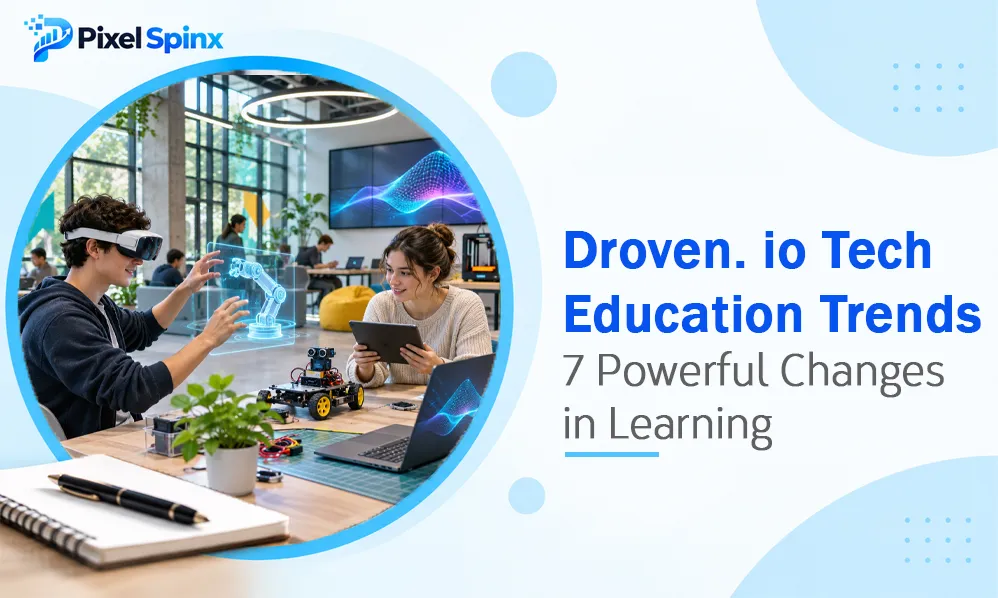
Droven. io Tech Education Trends: 7 Powerful Changes in Learning
Technology is changing how people study, develop professional skills, and prepare for future careers. Traditional classrooms are no longer the only places where learners can gain knowledge. Online courses, artificial intelligence, virtual classrooms, and interactive learning tools are creating new opportunities.
The growing interest in droven. io tech education trends reflects this shift toward flexible and technology-supported education. These trends highlight how digital tools can make learning more practical, accessible, and connected to real-world needs.
What Is Droven.io?
Droven.io is an online technology and digital innovation information website. Its content covers subjects such as artificial intelligence, software, digital transformation, and emerging technology.
The website can be explored through its official Droven.io platform, where readers can find articles about developments in the digital world.
When discussing droven. io tech education trends, the focus is broader than one website. It includes the technologies and learning methods influencing modern education.
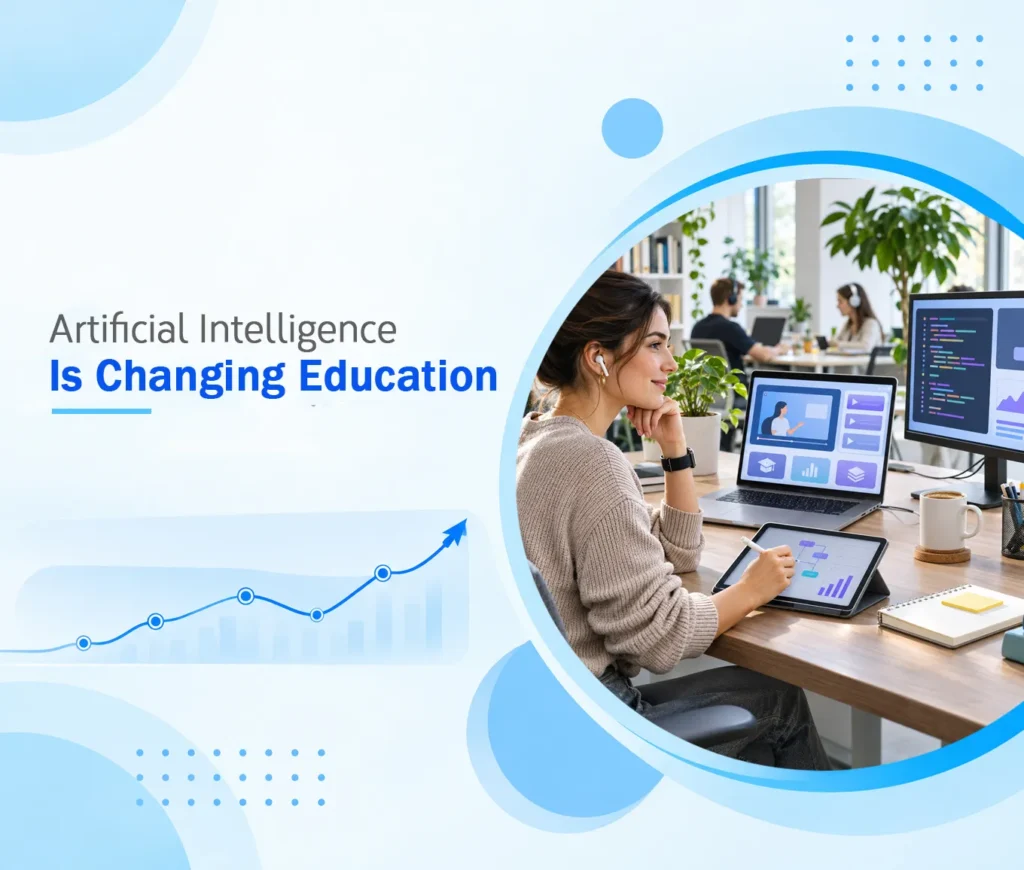
Artificial Intelligence Is Changing Education
Artificial intelligence is becoming an important part of digital learning. AI-powered tools can explain difficult topics, generate practice questions, summarize information, and provide additional learning support.
Students can use AI assistants to understand programming concepts, improve writing, or review subjects they find challenging. Teachers can also use these tools to organize educational resources and support lesson preparation.
However, AI-generated information should always be checked. Students still need to develop independent thinking instead of depending entirely on automated answers.
The World Bank’s digital education research explains how AI can support personalized learning while highlighting the importance of teachers, connectivity, and responsible implementation.
Online Learning Is Becoming More Flexible
Online education allows students to access learning materials without always attending a physical classroom. Recorded lectures, digital courses, and virtual classrooms make it easier to study at different times.
This flexibility is useful for university students, working professionals, and people who want to develop new skills alongside their existing responsibilities.
Some common online learning options include:
- Video-based educational courses
- Live online classes
- Digital study materials
- Remote technical training
- Online certification programs
UNESCO also discusses how digital learning can expand educational opportunities and support lifelong learning in its digital learning and education resources.
Practical Skills Are Becoming More Important
Understanding technology concepts is useful, but applying that knowledge is equally important. Employers often look for people who can solve problems, complete projects, and use digital tools effectively.
Modern technology education increasingly includes practical activities such as:
- Building basic websites and applications
- Working with databases
- Learning programming languages
- Creating digital projects
- Understanding cybersecurity
- Practicing data analysis
For example, a beginner learning programming can develop a small application instead of only watching tutorials. This provides practical experience and helps build a portfolio.
Automation and Cloud Computing Are Expanding
Automation helps businesses reduce repetitive tasks and improve everyday workflows. Students who understand automation can explore opportunities in software development, business operations, and digital services.
Cloud computing is another important area. It allows organizations to store information, run applications, and access computing resources through online infrastructure.
Learning basic cloud concepts can help students understand modern software systems and prepare for technical careers.
These subjects are becoming valuable parts of technology education because they connect classroom knowledge with tools used in professional environments.
Cybersecurity and Digital Privacy Matter More Than Ever
As education moves online, protecting personal information becomes increasingly important. Students regularly use learning portals, email accounts, educational applications, and cloud storage.
Basic cybersecurity knowledge helps learners recognize common online threats and protect their accounts.
Important practices include using strong passwords, enabling two-factor authentication, avoiding suspicious downloads, and keeping software updated.
Technology education should also introduce students to responsible internet use and data privacy. The UNESCO guidance on AI and education highlights the importance of protecting learners’ rights as educational technology develops.
Future Careers Require Continuous Learning
Technology changes quickly, and professional skills need regular improvement. Programming languages, AI applications, cybersecurity practices, and business software continue to evolve.
The World Economic Forum’s Future of Jobs Report 2025 highlights growing demand for AI and big data, networks and cybersecurity, and technological literacy.
Students can prepare by developing technical knowledge, communication skills, critical thinking, and problem-solving abilities.
Learning does not have to stop after completing a degree. Short courses, personal projects, and professional training can help people stay updated throughout their careers.
How Beginners Can Follow Tech Education Trends
Beginners do not need to learn every new technology at once. A focused learning plan can make the process easier.
Start with one subject, such as programming, web development, or data analysis. Choose reliable learning resources and practice regularly. Once the basics become clear, work on small projects that demonstrate your understanding.
For example, students interested in programming can practice coding exercises and gradually move toward more complex projects. You can also read our 9.7.4 Leash CodeHS guide for an example of a programming-related learning topic.
The key is to combine theoretical knowledge with practical experience rather than collecting information without applying it.
Final Thoughts
Droven. io tech education trends reflect the wider transformation of modern learning through digital tools and emerging technologies. AI, online education, automation, cloud computing, and cybersecurity are creating new ways to develop useful skills.
The best approach is to stay curious, choose reliable resources, and practice what you learn. By combining technical knowledge with real-world experience, students can prepare themselves for changing educational and professional opportunities.
Frequently Asked Questions
What are droven. io tech education trends?
Droven. io tech education trends refer to developments influencing technology-based learning, including artificial intelligence, online education, automation, practical training, and digital skills.
How is AI helping students?
AI tools can explain concepts, provide practice questions, summarize information, and offer additional learning support. Their answers should still be reviewed for accuracy.
Why are practical technology skills important?
Practical skills help students apply what they learn to real problems. Projects and hands-on exercises also provide evidence of their abilities.
Which technology skills should beginners learn?
Beginners can start with programming fundamentals, digital literacy, web development, data analysis, cloud computing, or basic cybersecurity.
Will online learning replace traditional education?
Online learning provides flexibility, but traditional education still offers important benefits such as direct interaction, structured teaching, and personal guidance. Combining both approaches can create valuable learning opportunities.