Nerovet AI Smart Dentistry: Helpful Guide to Features & Benefits
Pet dental health is an important part of overall animal care, but many oral problems develop without obvious warning signs. Dogs and cats cannot explain when their teeth hurt, which makes regular dental examinations essential. Modern technology is helping veterinary professionals examine dental images and identify possible problems more efficiently.
Nerovet AI Smart Dentistry is a name associated with artificial intelligence-powered dental imaging for pets. Its website presents a platform focused on helping veterinary clinics analyze dental X-rays and recognize possible oral health concerns in dogs and cats. This article explores its advertised purpose, potential benefits, limitations, and important safety considerations.
What Is Nerovet AI Smart Dentistry?
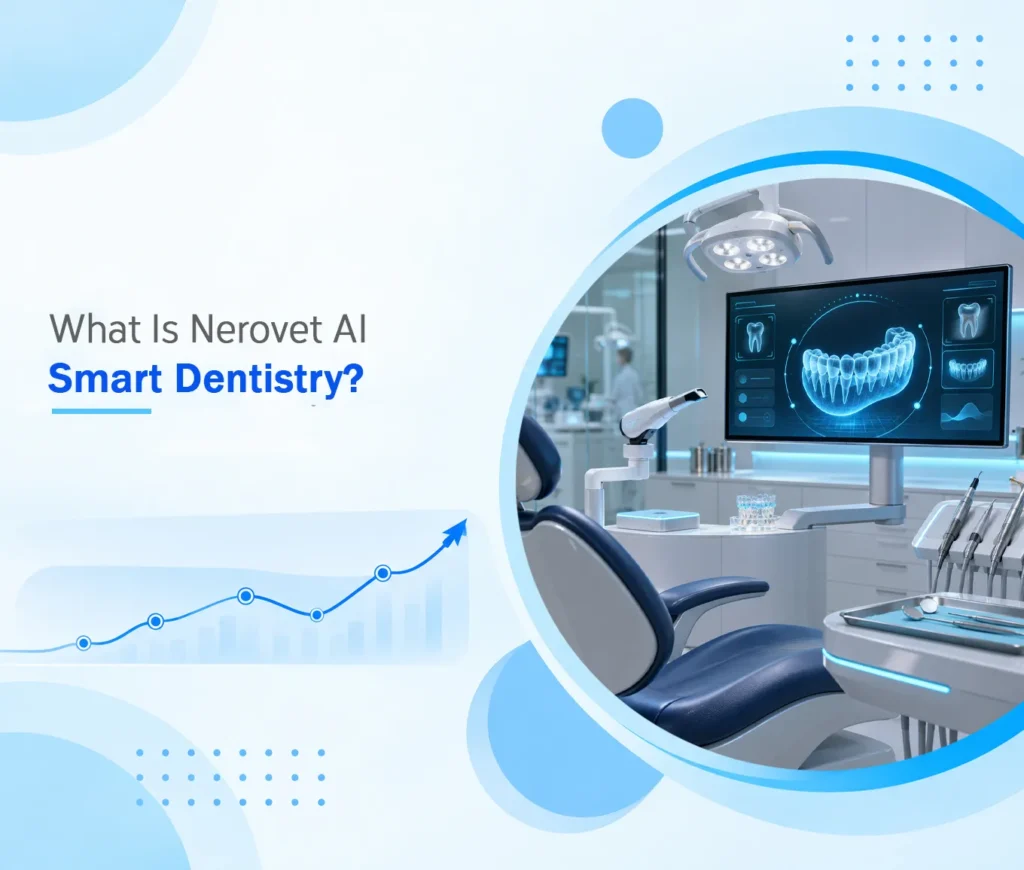
Nerovet AI Smart Dentistry is presented as an AI-assisted veterinary dental technology platform. According to its official website, the service focuses on analyzing pet dental images and supporting the identification of potential oral health conditions.
The platform describes applications involving periodontal disease, tooth resorption, root abscesses, and dental fractures. These are relevant concerns in veterinary dentistry, particularly when pets cannot communicate discomfort clearly.
However, it is important to distinguish between features advertised by a provider and capabilities independently confirmed through clinical research. Publicly available information does not establish that every advertised feature or accuracy figure has been independently validated.
How Does AI Smart Dentistry Work?
AI dental technology generally uses machine learning models to examine digital images and identify patterns that may indicate abnormalities. In a veterinary setting, these systems can help review dental radiographs and highlight areas that deserve closer attention.
A typical AI-assisted process may involve:
- Image Upload: A veterinary professional provides a suitable dental image or X-ray.
- Image Analysis: The software processes the image and searches for patterns associated with possible dental conditions.
- Finding Identification: Potential problem areas may be highlighted for further examination.
- Result Review: The veterinarian evaluates the AI-generated findings alongside the animal’s medical history and physical examination.
- Treatment Decisions: A qualified professional decides whether additional testing or treatment is necessary.
The FDA’s information about AI-enabled medical devices explains how AI systems can support healthcare professionals by analyzing information and identifying patterns. This broader principle helps explain the role of AI in clinical imaging.
Key Features of Nerovet AI Smart Dentistry
The Nerovet website describes several applications related to pet dental imaging. These advertised capabilities include:
AI-Powered Dental Image Analysis
One of the main ideas behind Nerovet is using AI to examine dental images. Such technology may help veterinary professionals identify areas that require additional attention during an assessment.
Support for Identifying Dental Problems
The platform describes possible detection support for conditions such as periodontal disease, tooth resorption, fractures, and root abscesses. These findings still require professional veterinary evaluation before any diagnosis is made.
Veterinary Clinic Support
AI-assisted imaging may help clinics organize their review process and provide another source of information when examining dental cases. The technology is intended to support veterinary professionals rather than replace their experience.
Visual Reports and Communication
Digital reports and highlighted findings can make it easier for veterinary teams to explain potential concerns to pet owners. Clear communication helps owners understand why further examination or treatment may be recommended.
Benefits of AI Technology in Veterinary Dentistry
Artificial intelligence may offer several advantages when used responsibly in veterinary dental care.
Faster Image Review: AI tools can help process digital images and highlight areas that need attention, potentially making image review more efficient.
Support for Early Assessment: Identifying suspicious patterns may encourage further examination before a dental problem becomes more serious.
Improved Communication: Visual findings can help veterinarians explain dental conditions to pet owners in a clearer way.
Consistent Workflow: Digital tools may support a more organized approach to reviewing and documenting dental images.
The AAHA Dental Care Guidelines emphasize the importance of proper oral examinations, preventive care, and professional treatment for dogs and cats. AI can be considered an additional support tool within this broader approach.
Important Limitations and Safety Considerations
Although AI technology can be useful, it should not be treated as a replacement for a professional examination. Image quality, missing information, and differences between individual animals can affect automated results.
Before relying on a dental AI platform, veterinary clinics should consider the following points:
- Clinical Validation: Ask whether the system has published independent testing results.
- Accuracy Information: Check how advertised accuracy figures were calculated and which conditions were included.
- Data Privacy: Understand how uploaded images and animal records are stored and protected.
- Software Compatibility: Confirm that the platform supports the clinic’s imaging equipment and file formats.
- Professional Review: Ensure that a qualified veterinarian reviews all findings before treatment decisions.
The FDA’s guidance on AI transparency highlights the importance of understanding a system’s intended use, performance, limitations, and risks.
Why Pet Owners Should Still Prioritize Regular Dental Checkups
AI tools may assist with image analysis, but everyday dental care remains essential. Pet owners should monitor changes in eating habits, bad breath, drooling, bleeding gums, and difficulty chewing.
Regular veterinary examinations can help identify problems that are not obvious during a quick home inspection. The AAHA guidelines also explain why dental radiographs and professional assessments are important for understanding conditions beneath the visible tooth surface.
Owners should never delay veterinary care because an AI tool produces a reassuring result. If a pet shows signs of pain or difficulty eating, arrange a professional examination.
How to Evaluate Nerovet AI Before Using It
Veterinary clinics interested in Nerovet should review its current service information carefully. Start by checking the available features, supported image types, subscription details, and data-handling policies.
It is also sensible to ask the provider for independent validation studies and details about how the system performs across different dental conditions. A demonstration can help a clinic understand whether the software fits its existing workflow.
For readers interested in other digital services and online technology, our article on SEO Instant Appear HighSoftware99.com explores a different type of technology-related platform.
Conclusion
Nerovet AI Smart Dentistry represents an interesting application of artificial intelligence in veterinary dental care. Its website promotes AI-assisted image analysis for dogs, cats, and veterinary clinics, with the aim of supporting the identification of possible oral health problems.
However, advertised features and accuracy claims should be evaluated carefully. Independent clinical evidence, transparent data practices, and professional veterinary oversight are important before adopting any AI-based dental solution. Ultimately, AI can support better workflows, but qualified veterinary professionals remain responsible for diagnosis and treatment.
Frequently Asked Questions
1. What is Nerovet AI Smart Dentistry?
Nerovet AI Smart Dentistry is presented as an AI-assisted veterinary dental imaging platform designed to help review pet dental images and identify possible oral health concerns.
2. Is Nerovet AI designed for humans or pets?
Its main website presents the platform as a veterinary dental solution focused on dogs, cats, and veterinary clinics rather than human dentistry.
3. What dental problems can Nerovet AI help identify?
Its website advertises support for identifying possible periodontal disease, tooth resorption, root abscesses, and dental fractures. These findings need professional confirmation.
4. Can AI replace a veterinary dentist?
No. AI can assist with image review, but diagnosis, treatment planning, and dental procedures require qualified veterinary professionals.
5. Is Nerovet AI’s advertised accuracy independently verified?
The website advertises accuracy figures, but the public information reviewed does not independently establish those figures through published clinical validation. Clinics should request supporting evidence before relying on them.