BrandRank.ai Normalization Rules: Essential Guide to Brand Data
Businesses are increasingly appearing in AI-generated answers, making accurate brand information more important than ever. A company may have different names, website addresses, product descriptions, and profiles across the internet. If this information is inconsistent, it can become difficult for search engines and AI systems to understand which details belong to the same business.
This is where brandrank.ai normalization rules become an interesting topic. Normalization helps organize brand information into consistent formats, while transformation makes that information easier to analyze. Although these are useful data practices, it is important to distinguish general concepts from BrandRank.AI’s officially documented features.
What Is BrandRank.AI?
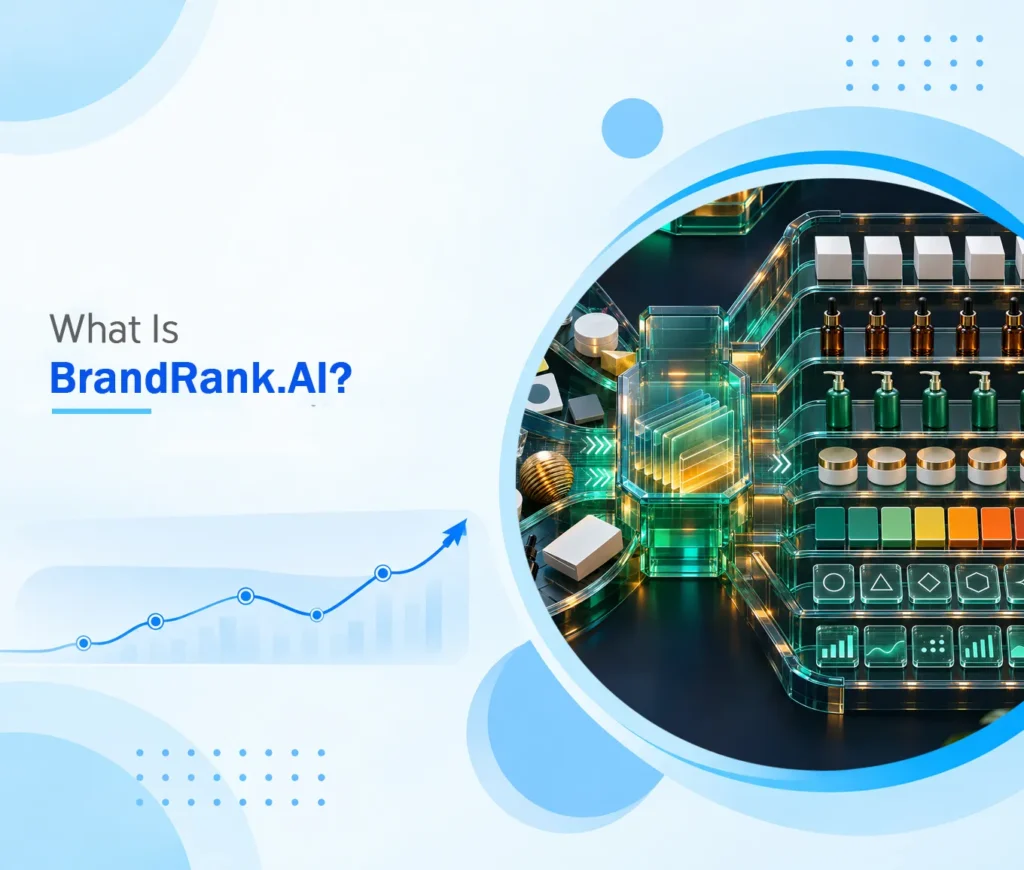
BrandRank.AI is a platform focused on monitoring how businesses appear in AI-generated answers. It helps brands understand whether AI platforms mention or recommend them, which sources support those answers, and where visibility or credibility gaps exist.
Its publicly described capabilities include AI Search Visibility, Brand Vulnerability, Content Readiness, and Recommendation Share.
The platform monitors AI answer engines such as ChatGPT, Gemini, Perplexity, Claude, Grok, Meta AI, and DeepSeek. This gives businesses a way to examine how their brands appear across different AI platforms.
What Are BrandRank.ai Normalization Rules?
Normalization means converting different versions of the same information into a consistent format.
For example, a company might appear online as:
- ABC Technologies
- ABC Technology Ltd.
- ABC Tech
- ABC TECHNOLOGIES
A data system may treat these as separate entries unless it can identify that they refer to the same business.
Normalization helps connect verified variations with one standard brand identity. This can make reporting, comparison, and data analysis more reliable.
One important clarification: BrandRank.AI does not publicly document a proprietary technical framework specifically named “normalization rules.” The practices discussed below are general data-management recommendations, not confirmed internal BrandRank.AI algorithms.
Important Brand Data Normalization Practices
Standardize Brand Names
Businesses should maintain one preferred brand name across their website, social media profiles, business directories, and other platforms.
Alternative spellings can be recorded as aliases when they genuinely refer to the same organization. However, similar names should not automatically be merged without verification.
Keep Website URLs Consistent
A business website may appear with different URL formats, such as HTTP, HTTPS, www, or non-www versions.
Using a consistent preferred URL and properly configured redirects helps avoid confusion. Website owners can review Google’s URL and site structure documentation for useful guidance.
Organize Business Information
Company descriptions, addresses, products, and service categories should be accurate and consistent.
For example, a company offering software development should not be described as a financial institution on another business profile. Clear information makes it easier for people and automated systems to understand the organization.
Remove Duplicate Records
Duplicate business listings can create conflicting information. Businesses should review their records and correct unnecessary duplicates while preserving separate records for genuinely different branches, products, or legal entities.
Preserve Original Information
Normalization should not mean deleting every original version of a record. Keeping original values alongside standardized values makes it easier to review changes and correct mistakes.
How Normalization Supports AI Search Visibility
AI systems collect and interpret information from different sources. Consistent brand details can help reduce ambiguity when a company appears across websites, directories, and published content.
For example, a business with consistent naming, clear service descriptions, and reliable supporting sources gives search and AI systems better information to interpret.
BrandRank.AI’s official FAQ explains its approach to monitoring AI visibility, analyzing generated answers, identifying cited sources, and evaluating brand visibility, vulnerability, and content readiness.
These capabilities are related to data consistency, but they should not be confused with a publicly released normalization rulebook.
Normalization vs. Transformation
Normalization and transformation are connected, but they perform different tasks.
| Process | Meaning | Example |
| Normalization | Makes information consistent | Mapping verified brand name variations to one standard name |
| Transformation | Changes information into another structure | Converting a company profile into structured database fields |
| Validation | Checks whether information is accurate | Confirming a company’s official website and business details |
Using these processes together can improve data quality and make business information easier to manage.
For businesses interested in structured company information, Schema.org provides a useful reference for describing organizations through structured data.
Common Mistakes to Avoid
Businesses should avoid making automatic changes without checking the original information. Similar company names do not always represent the same organization, and removing important differences can lead to incorrect records.
Other common mistakes include:
- Using different brand names across important platforms.
- Publishing outdated contact information.
- Creating duplicate business profiles.
- Treating every online mention as a verified source.
- Assuming normalization guarantees better AI rankings.
A consistent data strategy should focus on accuracy rather than simply making every record look identical.
How to Improve Your Brand’s Digital Information
Start by reviewing your official website, business profiles, and important third-party listings. Identify inconsistent names, outdated descriptions, and incorrect website links.
Next, create a central record containing your preferred brand name, official domain, business description, products, services, and verified contact information.
Review these details regularly and correct inconsistencies whenever they appear. Businesses can also explore related technology and online information topics through Rickystokes.com and its website overview.
Conclusion
Brandrank.ai normalization rules are best understood through the broader concepts of data standardization and transformation. Businesses can use these practices to maintain consistent brand names, accurate website information, and organized company records.
Although BrandRank.AI publicly offers tools for AI visibility and brand monitoring, its exact internal normalization rules are not publicly documented. Focusing on verified information and reliable data practices is a sensible starting point for improving brand consistency in the evolving AI search environment.
Frequently Asked Questions
What are brandrank.ai normalization rules?
The phrase generally refers to practices for standardizing brand information, including names, URLs, descriptions, and business records. It is not a publicly documented proprietary rulebook from BrandRank.AI.
Is BrandRank.AI an AI SEO platform?
BrandRank.AI focuses on AI brand intelligence, including visibility, recommendations, brand vulnerability, and content readiness across AI answer engines.
Why is brand normalization important?
It helps businesses maintain consistent information across different platforms, reduce duplicate records, and make brand data easier to analyze.
Does normalization improve AI rankings?
Not automatically. Consistent information can support clearer brand identification, but AI recommendations depend on multiple factors, including content quality, authority, relevance, and reliable sources.
What is the difference between normalization and transformation?
Normalization standardizes information, while transformation changes its format or structure for a particular system or purpose.