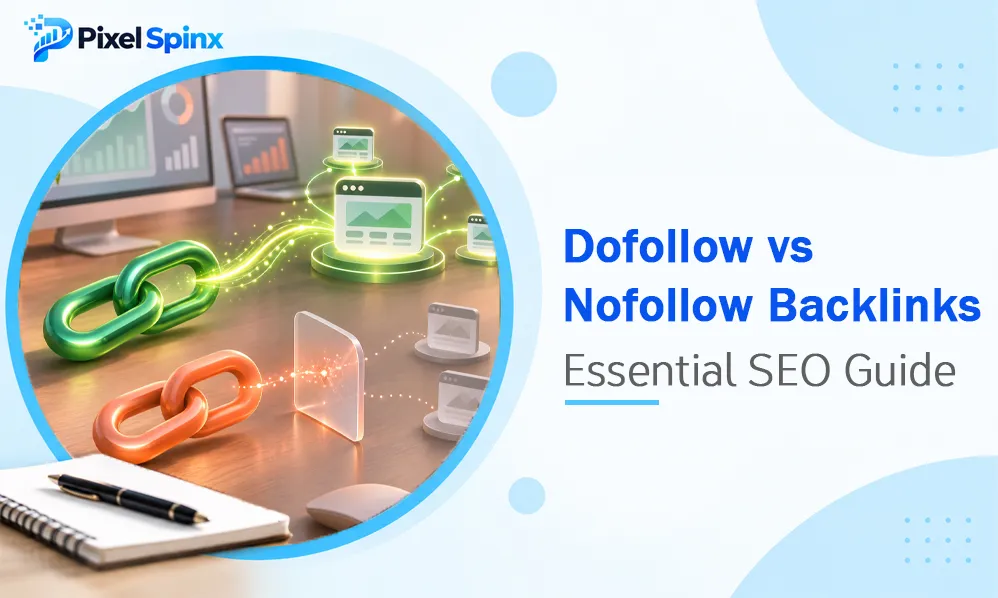
Dofollow vs Nofollow Backlinks: Essential SEO Guide
Backlinks are an important part of search engine optimization because they help search engines discover pages and understand how websites are connected. However, not every backlink works in the same way. Some links can pass ranking signals, while others carry attributes that indicate a different relationship between websites.
Understanding dofollow vs nofollow backlinks helps website owners make better link-building decisions and develop a balanced SEO strategy.
What Are Dofollow Backlinks?
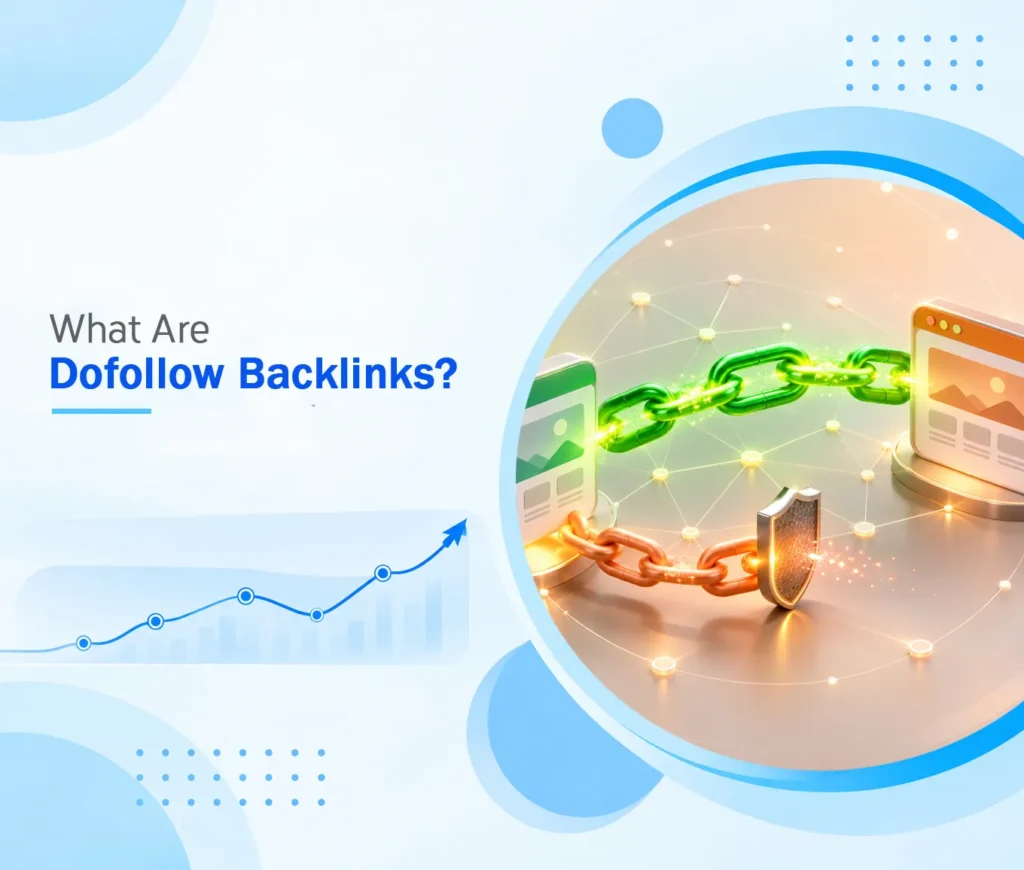
A dofollow backlink is a regular hyperlink that does not contain a qualifying rel attribute such as nofollow, sponsored, or ugc.
When another website links to your content through a normal editorial link, search engines can follow that link and may consider it as a ranking signal.
For example, if a technology blog naturally references your article as a useful resource, that backlink may help search engines understand your website’s relevance and authority.
Dofollow links are commonly found in:
- Editorial blog mentions
- Relevant resource pages
- Genuine industry publications
- Natural website references
- Unpaid guest contributions
It is worth remembering that a dofollow link does not guarantee higher rankings. Its value depends on several factors, including relevance, quality, and Google’s assessment of the link.
What Are Nofollow Backlinks?
A nofollow backlink contains the HTML attribute rel=”nofollow”. Website owners use this attribute when they do not want to imply an endorsement of the linked page or want to qualify the relationship.
For example:
<a href=”https://example.com” rel=”nofollow”>Example Website</a>
Google treats nofollow as a hint rather than an absolute instruction. Therefore, it does not guarantee that Google will completely ignore or never discover the linked page.
Nofollow links commonly appear in:
- Blog comments
- Certain forum discussions
- Untrusted external references
- Some user profiles
- Links where a website does not want to imply endorsement
You can read Google’s explanation in its official documentation about qualifying outbound links.
Dofollow vs Nofollow Backlinks: Key Differences
Both link types can contribute to website discovery and referral traffic, but their relationship attributes communicate different information to search engines.
| Feature | Dofollow | Nofollow |
| HTML attribute | No qualifying rel attribute | rel=”nofollow” |
| Ranking signals | Can pass ranking signals | Treated as a hint |
| Referral traffic | Yes | Yes |
| Common sources | Editorial articles | Comments and untrusted links |
| SEO purpose | Natural editorial references | Qualifying link relationships |
Neither type guarantees ranking improvements. Website owners should evaluate backlinks based on their quality and relevance instead of focusing only on their attributes.
Other Important Backlink Attributes
Besides dofollow and nofollow, Google recognizes two additional link attributes that website owners should understand.
Sponsored Links
The rel=”sponsored” attribute identifies advertisements, paid placements, and other compensated links.
For example:
<a href=”https://example.com” rel=”sponsored”>Sponsored Website</a>
Google recommends this attribute for paid links. Using it helps identify commercial relationships clearly.
User-Generated Content Links
The rel=”ugc” attribute is designed for links added by users, such as those appearing in forum posts and comments.
For example:
<a href=”https://example.com” rel=”ugc”>Example Website</a>
These attributes help search engines understand why a link exists and how the website owner relates to the linked page.
Google also explains these differences in its nofollow evolution announcement.
Are Dofollow Backlinks Better for SEO?
Dofollow backlinks can provide stronger direct ranking signals when they come from relevant and trustworthy websites. However, this does not mean nofollow backlinks are useless.
A nofollow backlink can still:
- Bring visitors to your website.
- Increase brand awareness.
- Help people discover your content.
- Generate potential business opportunities.
- Create opportunities for natural editorial mentions.
For example, a nofollow link from a popular industry website may bring more relevant visitors than a dofollow link from an unrelated, low-quality website.
The quality of the referring website and its audience should always be considered.
How to Check Whether a Backlink Is Dofollow or Nofollow
Website owners can check backlink attributes using a few simple methods.
Inspect the HTML: Right-click a link and select Inspect. Look for the anchor tag and check whether it contains a rel attribute.
Use SEO tools: Platforms such as Ahrefs provide backlink analysis features that can help identify link attributes and referring domains.
Review Google Search Console: The Links report helps website owners understand which websites link to their pages. It does not provide a complete classification of every link attribute, so HTML inspection or dedicated backlink tools may still be needed.
How to Build a Healthy Backlink Profile
A strong backlink profile should focus on relevance, natural link acquisition, and genuine website authority.
Here are some useful practices:
- Publish informative content that other websites have a reason to reference.
- Build relationships with relevant publishers and industry websites.
- Avoid buying links that pass ranking credit in violation of Google’s spam policies.
- Use appropriate sponsored attributes for paid placements.
- Monitor suspicious and irrelevant backlinks.
- Focus on websites with real audiences instead of chasing high domain authority numbers.
Businesses exploring technology and digital growth topics can also read the latest in tech at AlienSync for additional industry-related information.
Common Backlink Mistakes to Avoid
One common mistake is believing that every dofollow backlink is valuable. A link from an unrelated or spam-filled website may provide little benefit and could create risks if it is part of a manipulative linking scheme.
Another mistake is ignoring nofollow backlinks completely. Although they may not work like ordinary editorial links, they can still provide referral visitors and brand exposure.
Website owners should also avoid using the same exact-match anchor text repeatedly. Natural anchor text variation makes a backlink profile more realistic and useful for readers.
Conclusion
Understanding dofollow vs nofollow backlinks is essential for building a sensible SEO strategy. Normal editorial links can pass ranking signals, while nofollow links communicate that the website owner does not want to imply a standard endorsement.
Both can provide value in different ways. Instead of chasing only dofollow links, focus on relevant websites, useful content, natural link-building practices, and a healthy backlink profile.
Frequently Asked Questions
What is the main difference between dofollow and nofollow backlinks?
Dofollow is an informal term for a normal link without qualifying attributes. Nofollow links contain rel=”nofollow”, which tells search engines how the website owner wants the link relationship treated.
Do nofollow backlinks help SEO?
They can provide referral traffic, visibility, and discovery opportunities. Google also treats nofollow as a hint rather than an absolute directive.
Are dofollow backlinks always better?
No. Relevance, editorial quality, and website trustworthiness matter more than simply having a dofollow attribute.
Can I get a dofollow backlink from a guest post?
Some editorial guest contributions may contain normal links. However, paid guest posts and compensated placements should be properly qualified using sponsored or nofollow attributes.
How many backlinks does a website need?
There is no fixed number. A website should focus on earning relevant, trustworthy backlinks rather than targeting an arbitrary backlink count.